Introduction to SIEM and Threat Monitoring
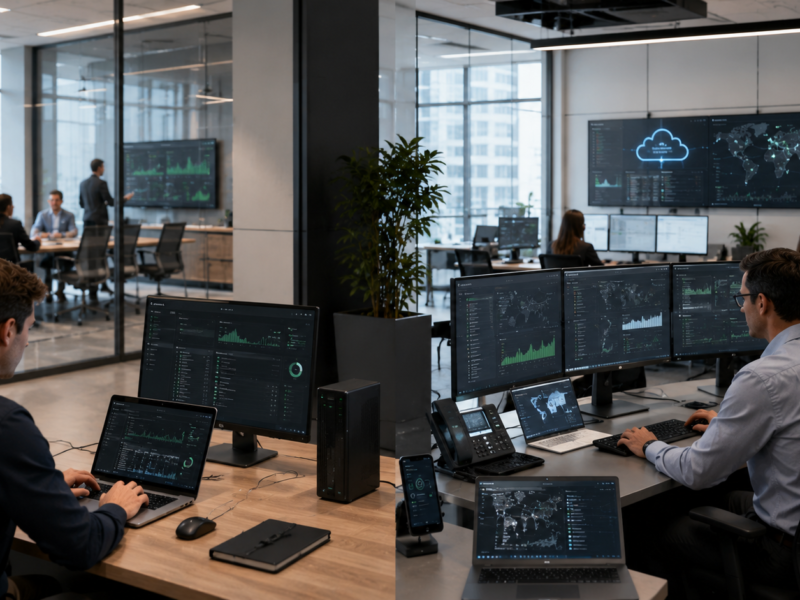
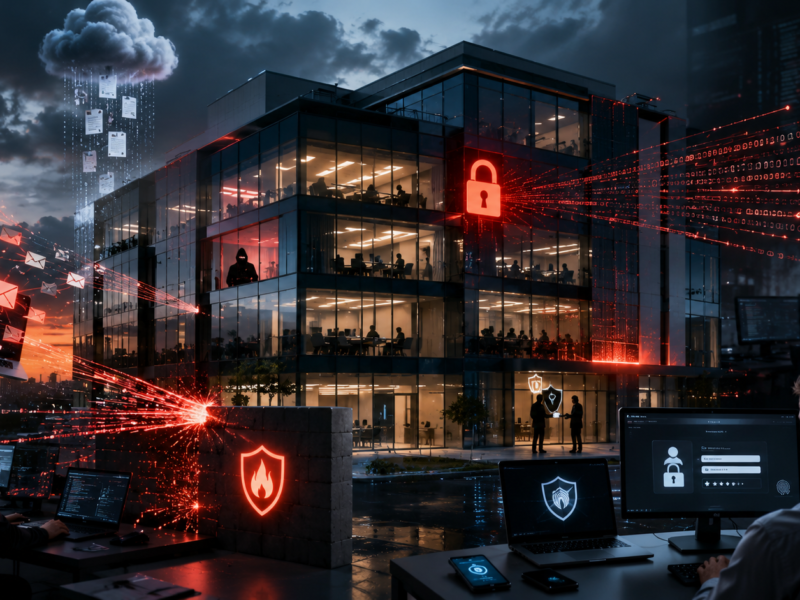
Security Information and Event Management (SIEM) systems play a crucial role in modern cybersecurity strategies. They are designed to aggregate, analyze, and manage security data from various sources within an organization’s IT environment. By combining Security Information Management (SIM) and Security Event Management (SEM), SIEM solutions provide insights that are essential for identifying threats and responding to incidents effectively.
Threat monitoring is an integral component of SIEM systems, focusing on the real-time detection of potential security threats. This involves the continuous review of security events, alerts, and logs generated by various network devices, servers, and applications. Through comprehensive log management, organizations can capture and analyze security events, enabling them to identify anomalies that may signify malicious activity.
The importance of effective SIEM solutions cannot be overstated. With the evolving landscape of cyber threats, organizations face increased pressure to secure sensitive information and maintain compliance with regulatory requirements. SIEM systems assist in meeting these challenges by providing real-time monitoring capabilities that allow security teams to detect, investigate, and respond to incidents swiftly.
Besides aiding in threat detection, SIEM platforms also play a crucial role in ensuring compliance with various data protection regulations, such as GDPR and HIPAA. By centralizing log management and providing auditing capabilities, organizations can demonstrate adherence to compliance standards while minimizing the risk of data breaches.
In summary, SIEM systems and their threat monitoring functionalities form the backbone of a robust cybersecurity framework. By leveraging these technologies, organizations can not only enhance their security posture but also proactively manage potential risks, ensuring timely detection and response to cyber threats.
Understanding AI in Cybersecurity
The significance of Artificial Intelligence (AI) in the realm of cybersecurity cannot be overstated. As cyber threats become increasingly sophisticated, traditional security measures often falter under pressure. AI technologies, particularly through machine learning and natural language processing, emerge as pivotal tools in this ongoing battle against cybercrime. These advanced technologies enable systems to analyze vast amounts of data quickly, identifying unusual patterns that may indicate a security breach.
Machine learning algorithms, a subset of AI, enhance threat detection by learning from historical attack data. Initially, these algorithms require training on large datasets to recognize normal network behavior. Once trained, they can proactively identify anomalies that could suggest malicious activity. This capability is crucial as it allows cybersecurity teams to detect threats in real time, reducing response times and minimizing potential damage. Moreover, the adaptability of machine learning means that systems can continuously improve their detection capabilities as they encounter new threats.
Natural language processing (NLP) plays a complementary role in enhancing cybersecurity measures. NLP techniques can analyze unstructured data from sources such as emails or chat logs, helping to flag phishing attempts or insider threats. By understanding human language, these AI systems enhance incident response capabilities, offering insights that were previously unattainable. For instance, automated alerts can be generated for security teams, detailing the nature of the threat and recommended responses, thereby streamlining incident management.
In summary, the integration of AI into cybersecurity frameworks represents a transformative shift from traditional methodologies. With the ability to process and analyze real-time data more efficiently, AI-powered systems not only augment human capabilities but also establish a robust foundation for future advancements in threat monitoring platforms.
The Benefits of AI-Powered SIEM Platforms
In today’s rapidly evolving cybersecurity landscape, the integration of Artificial Intelligence (AI) into Security Information and Event Management (SIEM) platforms has become increasingly pivotal. One of the foremost advantages of AI-powered SIEM solutions is their ability to enhance accuracy in threat detection. Traditional SIEM systems often struggle with filtering out noise from genuine threats, resulting in an overwhelming number of alerts. However, AI algorithms can analyze vast amounts of data to identify patterns and anomalies that indicate malicious activity, significantly improving detection rates.
Faster response times are another critical benefit provided by AI-enhanced SIEM systems. These platforms can automate many processes, allowing security teams to swiftly adjust their defenses in real-time. For instance, when a potential threat is detected, AI can immediately prioritize alerts based on risk levels, enabling cybersecurity professionals to focus their efforts on the most critical issues. This proactive approach not only mitigates damage but also minimizes the time needed to respond to an incident.
Moreover, reduced false positives is a significant advantage associated with AI-powered SIEM platforms. By employing machine learning models that learn from historical data, these systems become more adept at distinguishing between legitimate activities and those that require further investigation. As a result, organizations can prevent alert fatigue among security teams, allowing them to concentrate their resources and time on resolving genuine security threats.
Case studies have demonstrated the efficacy of AI-driven SIEM platforms. For example, organizations utilizing these advanced solutions report up to a 70% reduction in false positives, leading to more efficient use of resources. Furthermore, data from recent surveys indicate that companies leveraging AI in their cybersecurity frameworks experienced a 40% faster incident response rate compared to those employing traditional methods. These statistics highlight the transformative potential AI integration holds for SIEM platforms and the overarching field of cybersecurity.
Key Features of AI-Powered SIEM Solutions
AI-powered Security Information and Event Management (SIEM) solutions are evolving to address the growing complexities of cybersecurity. One of the most significant features of these platforms is automated threat detection. By utilizing advanced algorithms, these systems can analyze vast amounts of security data in real-time, identifying potential threats much faster than manual methods. This automation reduces the workload on security teams, allowing them to focus on responding to actual incidents rather than sifting through noise.
Another critical feature is advanced analytics. AI-driven analytics capabilities enable SIEM platforms to provide deeper insights into security events. Through machine learning, these systems can learn from past incidents, adapt to evolving threat landscapes, and improve detection accuracy. This predictive capability ensures that organizations are better prepared for future attacks, thereby enhancing their security posture.
User behavior analytics (UBA) is also an essential component of AI-powered SIEM solutions. By establishing a baseline of normal user behavior, these platforms can quickly identify anomalies that may indicate a security breach. This proactive detection is crucial, as insider threats and compromised accounts often go unnoticed in traditional systems. UBA not only improves threat identification but also contributes to more effective incident response.
Lastly, integration capabilities are vital for modern cybersecurity frameworks. AI-powered SIEM systems can seamlessly work alongside various cybersecurity tools, enhancing overall efficacy. This interoperability allows for a more cohesive security strategy, where information flows freely between systems, strengthening the organization’s defenses against potential threats.
Challenges and Limitations of AI in SIEM
The integration of Artificial Intelligence (AI) into Security Information and Event Management (SIEM) solutions has garnered significant attention, owing to the potential benefits related to threat detection and incident response. However, organizations must navigate a range of challenges and limitations when deploying AI-powered SIEM systems.
One of the foremost concerns is data privacy. The utilization of AI algorithms often requires large volumes of sensitive data to train models accurately. Organizations may struggle with compliance related to data protection laws, such as the General Data Protection Regulation (GDPR). The need to anonymize or aggregate data can hinder the effectiveness of AI in monitoring potential threats, as important context required for thorough analysis may be lost.
Additionally, the complexity of AI algorithms presents a significant hurdle. While machine learning models can be powerful, they also come with a steep learning curve that demands skilled personnel. Organizations frequently find it challenging to employ professionals who understand not only cybersecurity but also the intricacies of AI algorithms. The result may be suboptimal deployment and underutilization of these advanced technologies.
Moreover, AI systems are not inherently self-sufficient; they require ongoing tuning and training to maintain efficacy. As cyber threats evolve, the models must be adjusted to keep pace. This continual need for refinement can strain an organization’s resources, both in terms of time and personnel. In some instances, outdated or improperly maintained AI models can lead to false positives or negatives, undermining the effectiveness of the SIEM solution.
In summary, while AI presents exciting opportunities for SIEM, organizations must carefully consider these challenges and limitations. A strategic approach to implementation, focusing on compliance, skill acquisition, and continuous model enhancement, will be vital for realizing the potential of AI in threat monitoring.
Real-World Applications and Use Cases
The adoption of AI-powered Security Information and Event Management (SIEM) solutions has become a pivotal aspect of cybersecurity strategies across various industries. Organizations ranging from finance to healthcare have integrated these platforms to combat an increasingly complex security landscape. One notable example is the finance sector, where institutions handle vast amounts of sensitive financial data. AI-powered SIEM systems enhance threat detection capabilities, enabling real-time monitoring and rapid response to suspicious activities. For instance, a leading bank implemented an AI-driven SIEM and reported a significant reduction in the time taken to identify phishing attacks, successfully thwarting several attempts that could have led to financial losses.
In the healthcare industry, patient data protection is paramount. An advanced healthcare facility adopted an AI-powered SIEM solution that utilized machine learning algorithms to monitor network traffic and identify potential breaches. This system significantly enhanced the organization’s ability to detect unauthorized access attempts. By leveraging the capabilities of predictive analytics, the facility was not only able to respond to threats more quickly but also proactively adjusted its security policies based on emerging threat patterns.
Retail companies have also benefited from AI-based SIEM tools, particularly in safeguarding customer data during transactions. A prominent retail chain utilized these solutions to monitor its point-of-sale systems and associated networks. The AI-driven alerts provided insight into anomalies, allowing the organization to prevent data breaches that could compromise customer information. Through seamless integration with existing security frameworks, these platforms have helped establish a more robust security posture, ensuring customer trust and compliance with data protection regulations.
Overall, real-world applications of AI-powered SIEM platforms demonstrate their versatility and effectiveness in enhancing security measures across diverse industries, showcasing how organizations are adapting to modern cyber threats through innovative solutions.
How to Choose the Right AI-Powered SIEM Solution
Selecting an appropriate AI-powered Security Information and Event Management (SIEM) solution is a critical decision for any organization aiming to enhance its cybersecurity posture. The first factor to consider is scalability; as organizations grow, their data security needs will evolve. A suitable SIEM platform should efficiently handle increased data loads without compromising performance. Ensure that the solution is capable of scaling up or down according to the organization’s size and requirements.
Next, the ease of use of the AI-powered SIEM platform is paramount. The user interface should be intuitive, allowing security teams to efficiently navigate through logs, alerts, and dashboards. Consider platforms that offer customizable features, enabling tailored configurations based on an organization’s specific needs and threat landscape. This ensures that security staff can quickly identify and respond to potential risks.
Integration with existing systems is another crucial consideration. An ideal SIEM solution should seamlessly incorporate with the organization’s current tools, such as firewalls, endpoint protection, and intrusion detection systems. This allows for a comprehensive view of the security environment, enhancing the organization’s ability to detect and respond to threats promptly.
Vendor reputation plays a vital role in the decision-making process. Conduct thorough research on the vendor’s track record in the cybersecurity industry. Reviews, testimonials, and case studies can provide valuable insights into the effectiveness and reliability of the AI-powered SIEM solution. Furthermore, consider engaging with other organizations that have implemented these solutions to gain firsthand experiences.
In conclusion, choosing the right AI-powered SIEM solution requires careful consideration of scalability, ease of use, integration capabilities, and vendor reputation. By evaluating these factors, organizations can make an informed decision that effectively enhances their cybersecurity infrastructure.
The Future of AI in SIEM and Cybersecurity
The implementation of artificial intelligence (AI) in Security Information and Event Management (SIEM) is rapidly evolving, reflecting the increasing complexity of cybersecurity threats. As organizations continue to digitize their operations, the volume and variety of data generated expose them to an array of cyber risks. Future trends in AI-powered SIEM platforms are set to transform how companies manage these risks and respond to incidents.
One of the key advancements likely to shape the future of AI in SIEM is predictive analytics. By leveraging machine learning algorithms, SIEM systems can anticipate potential threats based on historical data and current patterns. This proactive approach enables organizations to focus on emerging threats before they escalate, significantly reducing response times. Predictive analytics will not only enhance threat detection but also improve decision-making processes in incident response.
Moreover, the deployment of autonomous response strategies promises to revolutionize SIEM operations. Future systems may integrate AI-driven automation that can act in real-time upon detecting suspicious activities. For instance, once an anomaly is identified, the AI could automatically initiate containment measures, such as isolating affected systems or blocking malicious traffic. This level of automated response could dramatically decrease the burden on cybersecurity teams, allowing them to concentrate on more complex, strategic issues.
The evolving threat landscape further reinforces the necessity for advanced AI solutions in cybersecurity. As cybercriminals adopt more sophisticated tactics, traditional defense mechanisms are often rendered ineffective. AI technologies that continuously learn and adapt are poised to deliver resilience against dynamic cyber threats. Organizations that harness AI-powered SIEM platforms are likely to foster a stronger security posture capable of defending against both current and future challenges.
Conclusion and Call to Action
As we navigate an era where cyber threats are increasingly sophisticated, the role of AI-powered Security Information and Event Management (SIEM) platforms in safeguarding organizational assets cannot be overstated. These advanced systems provide a potent response to the challenges posed by the modern cyber threat landscape. By leveraging artificial intelligence, SIEM platforms enhance threat detection and response capabilities, allowing organizations to maintain robustness in their cybersecurity strategy.
Throughout this discussion, we have examined the increasing complexity of cyber threats and the corresponding need for organizations to adopt proactive measures in cybersecurity. AI-powered SIEM solutions facilitate real-time monitoring, automated incident response, and the ability to analyze vast datasets, identifying patterns that could indicate potential breaches. This proactive stance is crucial for organizations hoping to thwart cybercriminal activities.
Furthermore, the scalability and adaptability of AI-driven platforms allow businesses of varying sizes to tailor their security measures according to specific requirements. This focus on customization can lead to more effective responses and an overall enhancement of an organization’s cybersecurity posture. As these technologies evolve, organizations are called to stay informed and consider integrating AI-powered SIEM platforms into their security frameworks.
It is imperative that decision-makers invest time and resources in evaluating the available AI-driven options that best suit their cybersecurity needs. By doing so, they not only bolster their defensive capabilities but also ensure that they are prepared for emerging threats. We encourage our readers to explore the potential of these innovative solutions and prioritize the integration of AI in their cybersecurity measures to create a formidable defense against cyber threats.